Polyurea Review
  • Home
  • Training Programs
  • Polyurea Coatings
  • Foam Applications
  • Certification
  • Blog
  • About
  • Contact

Latest Video

Popular Posts

  • Polymer Training: All You Need to Know about Enhancing Your Skillset

    October 13, 2023
  • Polymer Training: An Essential Guide for Enthusiasts and Professionals

    October 14, 2023
  • 3

    Polymer Training: Empowering Professionals in the World of Polymers

    September 26, 2023
@2021 - All Right Reserved. Designed and Developed by PenciDesign
Top Posts
Polyurea Blast Protection in the Gulf Region: How...
Built to Hold: How Polyurea Supports Municipal Infrastructure
Things To Know Before Signing Up For Polyurea...
Mastering the Art of Polymer Training: A Comprehensive...
Polymer Training: An Essential Guide for Enthusiasts and...
Polymer Training: All You Need to Know about...
Understanding Polymer Training: A Comprehensive Guide
Polymer Training: Empowering Professionals in the World of...
My Blog

Polyurea Blast Protection in the Gulf Region: How ArmorThane Is Hardening Critical Infrastructure Across 8 Countries

by Teresa Wallace April 24, 2026
written by Teresa Wallace

As security threats continue to evolve across the Middle East, Gulf states are investing heavily in advanced protective technologies to safeguard critical infrastructure, government buildings, military installations, and civilian shelters. At the forefront of this protective revolution is polyurea — a fast-set, high-performance elastomeric coating that has become a game-changer in blast mitigation. And no company is better positioned to lead that charge than ArmorThane, the Springfield, Missouri-based manufacturer whose military-grade polyurea systems have just secured major contracts across eight countries — with a significant footprint in the Gulf region.

Why Polyurea Is Transforming Blast Protection

Traditional building materials — concrete, masonry, steel — offer rigid resistance to explosive forces. But rigidity is precisely the problem. When a blast wave strikes a conventional structure, the material shatters, sending high-velocity shrapnel in all directions. It is often the secondary fragmentation, not the initial explosion, that causes the majority of casualties and structural failure.

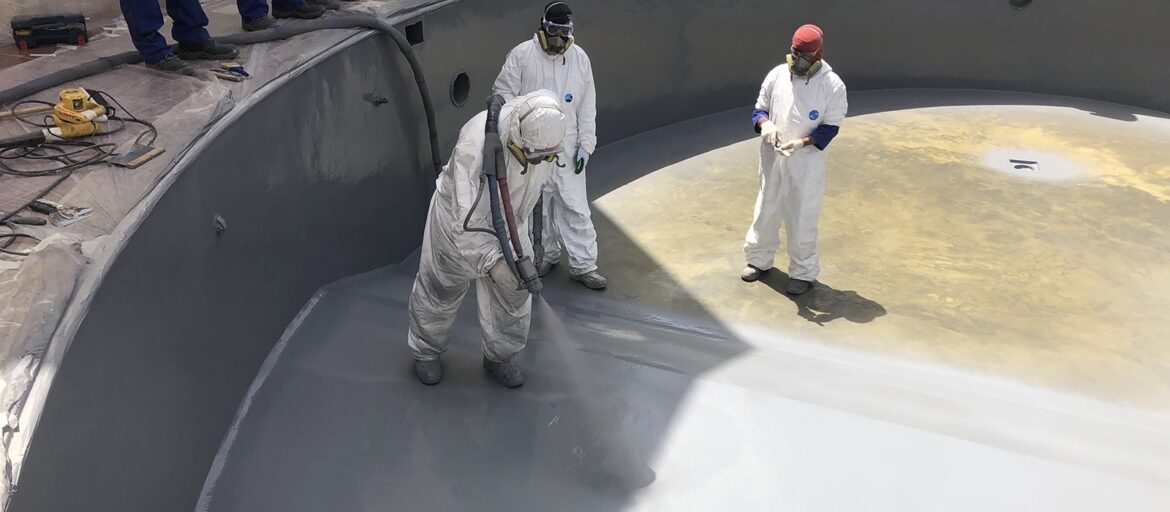
Polyurea coatings work on an entirely different principle: energy absorption and elastic deformation. When spray-applied to a substrate — whether concrete walls, steel panels, or CMU block — polyurea forms a seamless, monolithic “skin” that stretches and flexes under blast loading rather than cracking apart. This dramatically reduces spalling (the propulsion of debris), reinforces structural integrity under sudden pressure changes, and can keep walls from catastrophically collapsing even after a direct explosion in close proximity.

The science is compelling. High-performance polyurea formulations like those produced by ArmorThane demonstrate tensile strength exceeding 7,000 psi and elongation rates of up to 800% — meaning the coating can stretch to eight times its original length before tearing. This combination of strength and flexibility is unmatched by any traditional coating or retrofit technology and explains why defense agencies and government clients worldwide are turning to polyurea as a primary blast hardening solution.

The Gulf Region Security Imperative

The Gulf Cooperation Council (GCC) nations — including Saudi Arabia, the UAE, Kuwait, Qatar, Bahrain, and Oman — face a complex and persistent threat landscape. From ballistic missile threats and drone warfare to the risk of terrorist attacks on oil and gas infrastructure, the region’s governments have dramatically elevated their defense spending and hardening priorities in recent years. Military compounds, government ministries, power stations, desalination plants, and public venues all require levels of structural protection that conventional construction simply cannot provide on its own.

This is where polyurea blast coatings have become indispensable. Unlike costly full reconstructions of facilities, polyurea can be spray-applied to existing structures in a matter of days, dramatically upgrading blast resistance without significant downtime or operational disruption. For Gulf governments managing both active security threats and ambitious infrastructure development programs, this combination of rapid deployment and proven performance makes polyurea coatings an obvious strategic investment.

ArmorThane Lands Major Gulf Contracts: The Announcement

In a landmark development for the protective coatings industry, ArmorThane recently announced it has secured blast mitigation contracts across 8 countries, with Gulf region infrastructure hardening representing a core component of the initiative. The April 2026 press release confirmed that the company’s proprietary polyurea systems will be used to harden MAMAD shelters — protected residential safe rooms widely adopted across Middle Eastern security doctrine — as well as a range of critical Gulf region infrastructure assets.

This is not a speculative pilot program. These are confirmed, funded contracts spanning multiple sovereign nations, underscoring the degree to which military planners and infrastructure security chiefs have validated ArmorThane’s technology as a trusted and deployable solution at scale. The breadth of the contract — spanning eight countries simultaneously — speaks to both the global momentum behind polyurea blast protection and ArmorThane’s unique operational and manufacturing capacity to meet that demand.

ArmorThane’s Proprietary Formulations: UltraBlastâ„¢ and ArmorBlast

What separates ArmorThane from generic polyurea applicators is its nearly four decades of in-house research and development. The company does not simply resell commodity coatings — it engineers proprietary formulations from the ground up, optimized for specific performance demands. Two products sit at the center of the Gulf and military blast protection work.

UltraBlastâ„¢ is ArmorThane’s most advanced blast mitigation coating, a 100% solid, 1:1 ratio pure polyurea with extraordinary mechanical properties. With a tensile strength of 7,100 psi and an elongation of 800%, UltraBlastâ„¢ far exceeds conventional protective coatings. It has been independently tested against live C-4 explosive detonations at the University of Missouri Rolla Explosives Laboratory, against live grenade impacts through the National Security Associates, and in field evaluations conducted by Iraqi government and military officials using real explosive packs. In every case, structures treated with UltraBlastâ„¢ demonstrated dramatically better outcomes than uncoated controls — with walls remaining intact, fragmentation minimized, and anti-spalling properties preventing dangerous debris projection.

ArmorBlast rounds out the portfolio as a high-performance companion formulation — also 100% solid pure polyurea, fast-set, spray-applied, and entirely VOC-free — delivering 3,600 psi tensile strength, 350% elongation, and a shore hardness of 95–97A. For projects requiring a balance of hardness and flexibility across large surface areas, ArmorBlast offers a proven, field-tested solution that complements the extreme-performance envelope of UltraBlast™.

Both formulations are developed and manufactured in-house at ArmorThane’s Springfield, Missouri facility, ensuring consistent quality control, batch integrity, and the kind of deep technical support that government defense clients require. This vertical integration — from chemistry to application training — is a competitive differentiator that few companies in the space can replicate.

Key Applications Across Gulf Infrastructure

The range of assets being targeted for polyurea blast hardening in the Gulf region reflects the diverse threat environment these nations are managing. ArmorThane’s coatings are being applied to government buildings and political event venues where the risk of targeted attack demands the highest level of protection. Military and police vehicle fleets benefit from polyurea’s ability to reinforce vehicle hulls without adding significant weight. Executive residences and high-visibility public buildings are being retrofitted to meet new protective standards. Energy infrastructure — including pipelines, refineries, power stations, and desalination plants — represents another major category, given both its strategic value and its inherent explosion risk. Command and control sites and bunkers round out the application profile, where the need for absolute structural integrity under repeated blast loads is non-negotiable.

The MAMAD shelter hardening component of the Gulf contracts is particularly significant. MAMAD shelters — reinforced rooms designed to protect building occupants from missile and blast threats — have become a standard feature across residential and commercial construction in blast-threatened regions. Applying UltraBlast™ or ArmorBlast to MAMAD shelter walls, ceilings, and floors exponentially increases their protective performance, ensuring these spaces function as intended when they are needed most.

NATO Validation and Global Credibility

ArmorThane’s Gulf region contracts do not exist in a vacuum. The company has previously been selected to participate in NATO blast mitigation testing programs, where its military-grade coatings outperformed competing technologies and earned recognition from the alliance’s defense research community. For Gulf defense ministries conducting their own due diligence on blast hardening vendors, NATO validation is precisely the kind of third-party credentialing that accelerates procurement decisions.

This track record of independent third-party testing — whether through NATO programs, university explosives labs, or direct military evaluations — gives ArmorThane a level of documented, verifiable performance that marketing materials alone cannot provide. It is why serious defense clients choose ArmorThane when the stakes are genuinely life-or-death.

What This Means for the Polyurea Industry

The scale of ArmorThane’s Gulf and international blast mitigation contracts signals something important for the broader polyurea coatings industry: military and government blast protection is no longer a niche application. It is rapidly becoming a mainstream infrastructure priority, and polyurea is the technology of choice. The global security environment — characterized by drone proliferation, precision missile threats, and the ever-present risk of asymmetric attacks on civilian and industrial infrastructure — has created sustained demand for cost-effective, rapidly deployable blast hardening solutions.

ArmorThane’s success in securing contracts across eight countries simultaneously demonstrates that the market for polyurea blast protection has matured beyond early adoption. Countries are now committing to large-scale, multi-asset hardening programs, and they are choosing suppliers who combine proprietary chemistry, proven testing, comprehensive application training, and the operational capacity to execute across borders.

Learn More About ArmorThane’s Blast Protection Solutions

For engineers, security consultants, military procurement officers, and infrastructure managers evaluating blast hardening options for Gulf region or global projects, ArmorThane represents the current state of the art in polyurea blast mitigation technology. The company’s team provides 24/7 technical support, comprehensive contractor training programs, and the kind of deep application expertise that translates laboratory performance data into real-world outcomes.

To read the full press release on ArmorThane’s eight-country blast mitigation contracts, including the Gulf region infrastructure hardening initiative, visit the official announcement on EIN Presswire. For project inquiries, technical data sheets, or to discuss your specific blast protection requirements, contact ArmorThane directly at 1.417.831.5090 or through the company’s website at armorthane.com.
April 24, 2026 0 comment
0 FacebookTwitterPinterestEmail
Municipal Infrastructure Coatings

Built to Hold: How Polyurea Supports Municipal Infrastructure

by Teresa Wallace March 14, 2025
written by Teresa Wallace

Pressure That Doesn’t Wait

Water continues to move through municipal systems every hour of the day. Wastewater does not wait, and the infrastructure built to manage it must operate without interruption. As cities grow, function, and expand, the burden placed on underground networks steadily increases. Storm drains, lift stations, manholes, and holding tanks all work together as part of a larger system designed to control the flow and containment of wastewater. Each component connects directly to the next, forming a continuous chain that supports public health and urban development. Though this system remains mostly out of sight, it performs an essential role that never slows down. Over time, hydraulic pressure builds within these structures, and exposure to moisture begins to compromise the integrity of the materials. Concrete surfaces wear away. Steel reinforcements corrode. Small gaps in joints or seams gradually expand under repeated stress. Without a protective barrier in place, even the thickest and most well-engineered infrastructure will eventually begin to deteriorate.

These failures rarely start with one event. They form through steady exposure. Moisture, gas, grit, and chemicals chip away at surface strength. When breakdowns begin, repairs cost time. They close roads, reroute traffic, and strain budgets. Cities that wait to act pay more later.


A Material That Stays in Place

Coatings give the structure a second skin. They keep corrosive agents out and stop water from entering or leaking through. A good coating must grip the surface, cover every crack, and hold tight under load. This is where polyurea works well. It bonds fast, cures quickly, resists chemicals, and stays flexible.

In wastewater environments, polyurea doesn’t peel or soften. It stretches across surfaces and sinks into rough areas. That bond helps it last through pressure changes, freeze-thaw cycles, and chemical contact. It moves with the structure instead of breaking apart from it.

Manholes, vaults, tanks, and tunnels all benefit from polyurea. Once sprayed, it hardens within seconds. This fast cure time keeps crews moving and reduces site closures. Municipal teams working with this material report fewer callbacks and more consistent results on long-term projects, that reliability matters.


Coatings as a Preventive Step

Most infrastructure doesn’t fail all at once. Decay creeps in slowly. It begins with small surface wear. Then it finds a way into the joints. Water makes its path. Gas builds. Cracks spread. If ignored, the structure gives out.

Polyurea allows cities to act before damage worsens. Once applied, it keeps the structure dry and stable. Cities now use it in old systems and new builds alike. That move from reaction to prevention changes how municipalities approach maintenance. Instead of chasing failures, they protect in advance.

The shift toward protection helps lower emergency repair costs. It also lets cities plan work during dry seasons or low-flow periods. That control matters more each year, especially as systems grow older. You can see more on that shift at wastewater coatings, where case studies show polyurea used to hold back moisture and corrosion in real-world systems.


The Role of the Applicator

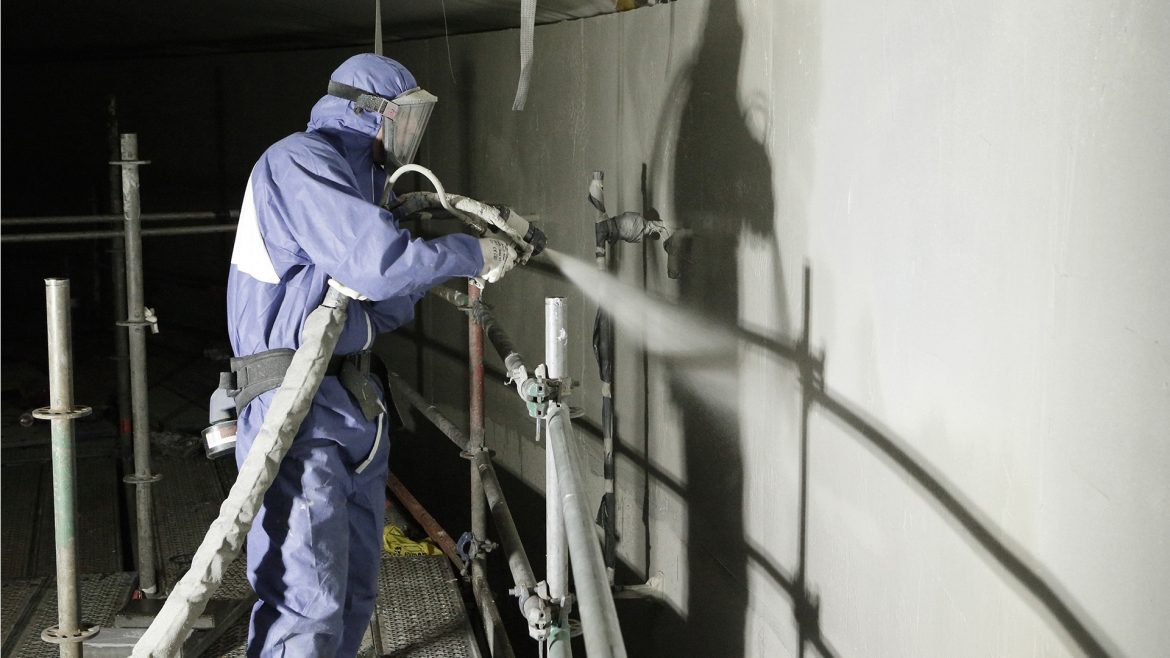
Polyurea doesn’t work on its own. A trained crew must mix, spray, and finish the job correctly. Surface prep comes first. Every layer depends on a clean, dry base. Grit blasting or pressure washing clears out debris. The applicator checks the conditions, adjusts the machine, and sprays at the right pace and angle.

Mistakes here matter. If the layer goes on too thin, it may wear through. If the base stays damp, the bond will break. This is why training holds so much value. Crews who understand the material get better results. More cities now invest in coatings training to make sure their teams can do the job right the first time.

With the right training, a team can spray miles of surface with confidence. They check for overlap. They seal the edges. They finish corners clean. These simple practices help each job last longer.


When Cities Keep the Work Local

In the past, cities depended on outside contractors to apply coatings. Now, more municipalities manage that work in-house. The reasons are clear. Cities want faster response times. They want quality they can inspect directly. And they want to save money.

Owning the spray rig allows them to do all three. With trained teams and dependable equipment, they coat manholes, culverts, and vaults as needed. They build a schedule and stick to it. This change gives cities more control over their infrastructure. You can read about the rise of in house infrastructure repairs and how that shift helps cities maintain reliability.

The crews who do this work build skill over time. Their knowledge grows with each job. That consistency makes the difference. Instead of depending on change orders and outside schedules, cities lead their own projects.


Results Worth Noticing

Polyurea doesn’t draw attention once sprayed. Its success shows when nothing else breaks. When water stays in place. When concrete holds up. When roads stay open.

These quiet outcomes define the coating’s strength. The proof lies in each job that doesn’t fail. Polyurea magazine shares updates from cities that use these coatings to maintain control over aging systems. The work may not make headlines, but it keeps entire neighborhoods running.

The material works not because it’s new, but because it solves the exact problem. It seals. It protects. It holds.


Looking Toward a Resilient Future

No city can rebuild all at once. Budgets tighten. Conditions shift. Equipment wears. But coatings allow cities to do more with what they already have. They reinforce existing systems. They buy time. They add years to the life of a structure without the cost of replacement.

Polyurea meets the need for speed, strength, and flexibility. When cities train their crews, plan their schedules, and invest in equipment, they reduce risk across their infrastructure. Each sealed vault, lined tunnel, or coated tank means fewer emergencies and more peace of mind.

These outcomes don’t happen by chance. They come through attention, preparation, and follow-through. When cities put polyurea in the hands of people who know how to use it, they protect what they’ve built. That protection becomes the foundation for everything else.

March 14, 2025 0 comment
0 FacebookTwitterPinterestEmail
Polyurea Training
Polymer TrainingPolyurea Training

Things To Know Before Signing Up For Polyurea Training

by Teresa Wallace July 11, 2024
written by Teresa Wallace

Becoming a polyurea applicator involves specific training to ensure proper application techniques and safety. Polyurea is a versatile and durable coating used in various industries, and proper training is essential to achieve the best results. To become a polyurea applicator, you need to know about the top training companies and what they offer.

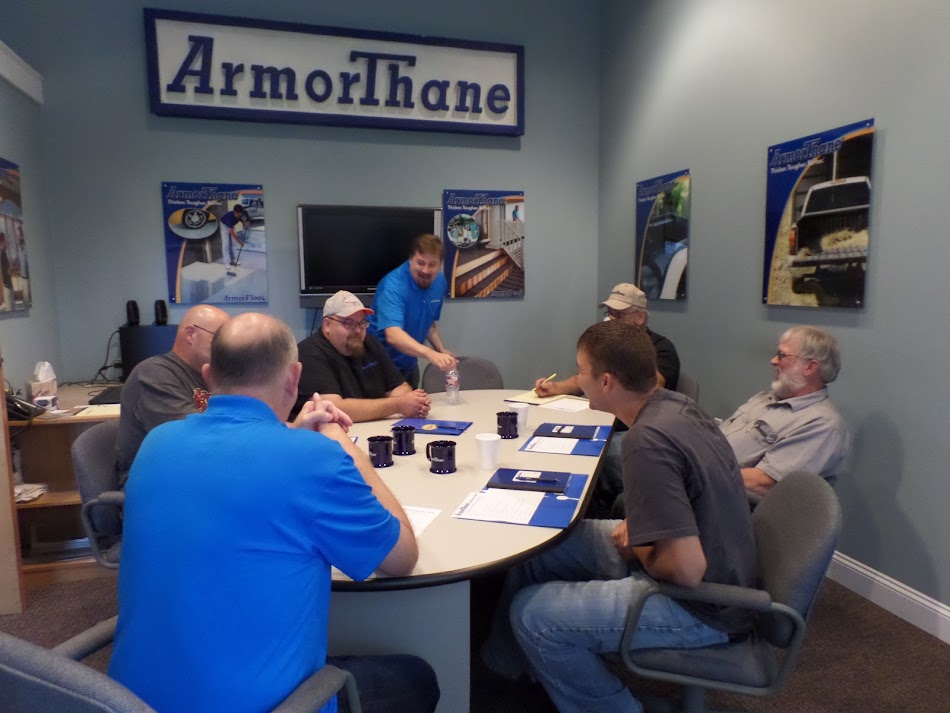
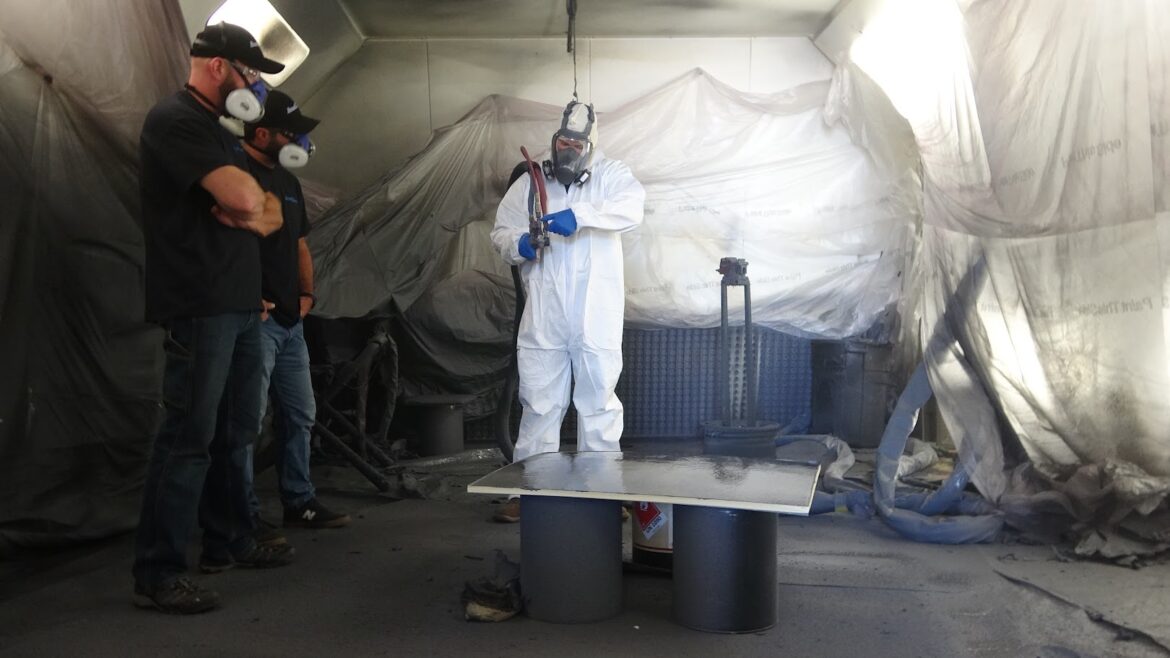
ArmorThane provides comprehensive polyurea training. Their program covers all aspects of polyurea application, from surface preparation to spraying techniques. ArmorThane emphasizes hands-on training, allowing participants to practice with the equipment and materials used in real-world applications. The ArmorThane trainers have extensive industry experience, ensuring that participants receive high-quality instruction.

At ArmorThane, trainees learn about the different types of polyurea and their specific uses. This knowledge is crucial for choosing the right product for each job. The training also includes safety protocols, which are vital when working with polyurea. By following these protocols, applicators can prevent accidents and ensure a safe working environment.

Coatings.Academy offers another excellent polyurea training program. They focus on both theoretical knowledge and practical skills. Coatings.Academy provides detailed instruction on the chemistry of polyurea, helping trainees understand how the material works and why it is so effective. This foundation in theory enhances the practical application skills taught during the course.

Coatings.Academy also offers advanced training for experienced applicators. These advanced courses cover specialized techniques and complex applications. By participating in these courses, applicators can expand their skill set and take on more challenging projects. The trainers at Coatings.Academy are experts in the field, providing valuable insights and guidance to participants.

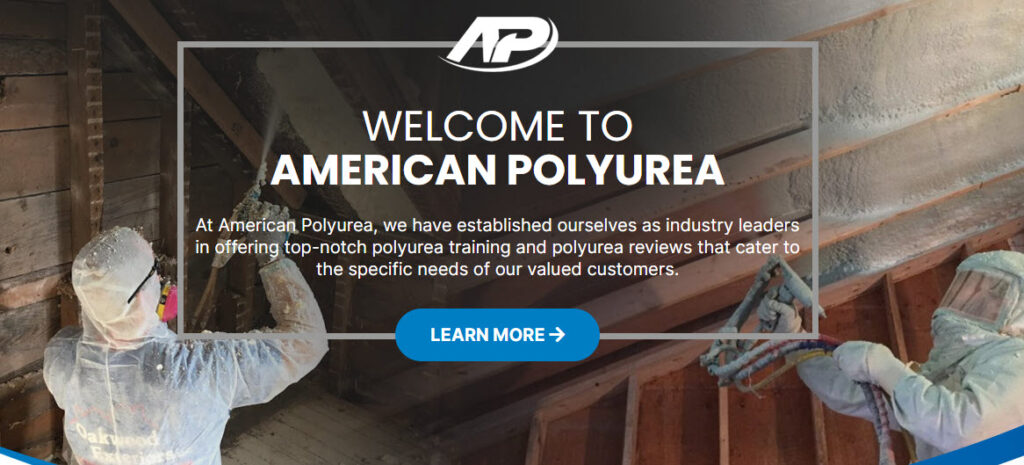
AmericanPolyurea.org offers polyurea training programs tailored to different levels of experience. Whether you are new to polyurea or have been working with it for years, AmericanPolyurea.org has a course to suit your needs. Their beginner courses cover the basics of polyurea application, including surface preparation, equipment operation, and safety measures. These courses provide a solid foundation for new applicators.

For those with more experience, AmericanPolyurea.org offers advanced courses that delve into more complex aspects of polyurea application. These courses cover topics such as troubleshooting, advanced spraying techniques, and project management. The trainers at AmericanPolyurea.org have a wealth of experience, ensuring that participants receive high-quality instruction and support.

When choosing a training program, consider what you hope to achieve. If you are new to polyurea, look for a program that covers the basics and provides plenty of hands-on practice. ArmorThane and AmericanPolyurea.org both offer excellent beginner courses that will give you the skills you need to get started.

Consider an advanced course if you have some experience and want to expand your skills. Coatings.Academy and AmericanPolyurea.org offer advanced training covering more complex techniques and applications. These courses are ideal for applicators who want to take on more challenging projects and advance their careers.

It is also important to consider the quality of the instructors. All three training companies—ArmorThane, Coatings.Academy, and AmericanPolyurea.org—have highly experienced trainers. These trainers bring a wealth of knowledge and practical experience to the courses, ensuring that participants receive the best possible instruction.

In addition to the training itself, consider the support provided by the training company. Some companies offer ongoing support and resources for their graduates. This can be invaluable as you start working with polyurea and encounter new challenges. ArmorThane, for example, provides ongoing support to its trainees, ensuring they have access to the resources and advice they need to succeed.

Before enrolling in a training program, research the course content and structure. Make sure the program covers all the topics you need to learn and provides ample hands-on practice. Training programs that balance theory and practice tend to be the most effective, as they give you a thorough understanding of polyurea and the skills needed to apply it correctly.

In conclusion, proper training is essential for anyone wanting to become a polyurea applicator. ArmorThane Coatings. The Academy and AmericanPolyurea.org all offer excellent training programs that cover the necessary skills and knowledge. By choosing a program that fits your experience level and goals, you can gain the skills needed to succeed in the polyurea industry. Whether you are a beginner or an experienced applicator, these training programs provide the instruction and support needed to excel in polyurea application.

July 11, 2024 0 comment
0 FacebookTwitterPinterestEmail
My Blog

Mastering the Art of Polymer Training: A Comprehensive Guide

by Teresa Wallace October 15, 2023
written by Teresa Wallace

Polymer training is gaining immense popularity among professionals seeking to enhance their skills in the polymer industry. Whether you are a seasoned chemical engineer or a curious enthusiast, polymer training can provide valuable insights and knowledge that will propel your career to new heights. In this article, we will explore the benefits of polymer training, the essential skills it encompasses, and the career opportunities that await proficient polymer technicians and engineers.

Why is Polymer Training Essential?

Polymer materials, such as plastics, rubbers, and polyurea coatings, play a significant role in various industries, ranging from automotive and aerospace to healthcare and electronics. Mastering the art of working with polymers empowers individuals to create innovative solutions and contribute to the development of safer, more efficient products.

Polymer training provides a foundation for understanding the principles of polymer chemistry, materials processing, and product design. It equips individuals with the necessary knowledge to navigate the complexities of polymer synthesis, characterization, and application. Through rigorous training programs, participants gain hands-on experience, develop critical thinking abilities, and learn the best practices for working with polymers.

Key Skills in Polymer Training

  1. Polymer Synthesis: This fundamental skill encompasses the ability to create polymers with specific properties and molecular structures suited for various applications. Understanding the synthesis process allows technicians to tailor materials based on desired characteristics, such as strength, flexibility, or resistance to chemicals and temperature fluctuations.

  2. Polymer Processing: Once polymers are synthesized, they must undergo various processing techniques to achieve their final form. Polymer training equips individuals with the knowledge of injection molding, extrusion, blow molding, and other techniques that convert raw polymer materials into useful products.

  3. Materials Characterization: Accurately assessing the properties and performance of polymer materials is crucial in ensuring their suitability for real-world applications. Polymer training teaches technicians how to use advanced techniques, such as spectroscopy and microscopy, to analyze and characterize polymers on a microscopic and molecular level.

  4. Polymer Rheology: Rheology is the study of how flowing materials, such as polymers, respond to deformation and flow. Understanding polymer rheology is vital in designing and optimizing processing methods, ensuring that products exhibit the desired properties and performance.

  5. Polymer Applications: Polymer training delves into the practical aspects of polymer applications, allowing participants to explore various industries where polymers play a vital role. From designing lightweight automotive components to developing biodegradable packaging materials, the possibilities are endless.

Career Opportunities in Polymer Training

Proficiency in polymer training opens doors to a multitude of career opportunities. Employers actively seek professionals who can leverage their polymer expertise to address complex challenges and develop innovative solutions. Some potential career paths in polymer training include:

  1. Polymer Engineer: Polymer engineers use their deep understanding of polymer materials and processing techniques to design and optimize products for specific applications. They work closely with product development teams, ensuring the materials meet performance requirements while considering cost, sustainability, and manufacturability.

  2. Polymer Technician: Polymer technicians support engineering teams by configuring and operating polymer processing equipment. They conduct tests, gather data, and assist in troubleshooting, contributing to the smooth functioning of polymer manufacturing processes.

  3. Polymer Research Scientist: For those passionate about pushing the boundaries of polymer science, a career in research and development offers exciting opportunities. Polymer research scientists focus on advancing polymer synthesis techniques, exploring new material properties, and developing innovative applications.

  4. Quality Assurance Specialist: Quality assurance specialists play a critical role in ensuring that polymer products meet rigorous quality standards. Through various testing and analysis methods, they identify defects, assess product performance, and propose improvement strategies.

Conclusion

Polymer training is invaluable for individuals seeking to deepen their knowledge of polymer materials and processes. From synthesis and processing to characterization and applications, mastering the art of working with polymers opens up a vast array of career opportunities in numerous industries. Embrace polymer training, and embark on a journey that will not only enhance your skill set but also contribute to the advancement of materials science and engineering.

October 15, 2023 0 comment
0 FacebookTwitterPinterestEmail
My Blog

Polymer Training: An Essential Guide for Enthusiasts and Professionals

by Teresa Wallace October 14, 2023
written by Teresa Wallace

polymer

Have you ever wondered how the futuristic materials used in industries like construction, automotive, and electronics are made? Polymers, such as polyurea, are the answer to this fascinating question. Polymer training provides a comprehensive understanding of these versatile materials and equips individuals with the skills necessary to manipulate and innovate with them. In this article, we will explore the world of polymer training, its benefits, and the industries where it can make a significant impact.

Understanding Polymers

Before diving into the training aspect, let’s lay the foundation by understanding what polymers are. Polymers are macromolecules composed of repeating subunits called monomers. These long chains of monomers result in materials with unique physical and chemical properties. Polyurea, for example, is a remarkable polymer that finds applications as a protective coating due to its exceptional durability and chemical resistance.

The Importance of Polymer Training

Polymer training plays a vital role in several industries, as it enables professionals to harness the potential of polymers effectively. Through training, individuals gain comprehensive knowledge of polymer synthesis, processing techniques, and the wide array of applications available. With this knowledge, they can create innovative solutions, enhance existing products, and contribute to the advancements in various fields.

Moreover, training in polymer science equips professionals with the required skills to ensure the quality and consistency of polymer production. They learn how to analyze and control polymer properties, leading to optimized manufacturing processes and higher-quality materials.

Industries Benefitting from Polymer Training

The impact of polymer training extends across various industries. Let’s explore a few industries that rely heavily on the knowledge and expertise imparted through polymer training.

1. Construction

Polymer-based materials are revolutionizing the construction industry. Polymer composites, such as fiber-reinforced polymers (FRP), are lightweight, yet incredibly strong, making them ideal for structural reinforcement. By undergoing polymer training, professionals in construction can identify the most suitable polymers and composites for specific applications, improving the durability and strength of buildings and infrastructure.

2. Automotive

The automotive industry is another field that benefits immensely from polymer training. Polymers have replaced traditional materials in car manufacturing, leading to increased fuel efficiency, reduced weight, and improved safety. Polymer training equips automotive professionals with the skills to develop innovative components and materials, contributing to advancements in electric vehicles, aerodynamics, and crash protection.

3. Electronics

Polymers have become crucial in the electronics industry due to their electrical conductivity, thermal stability, and flexibility. Through polymer training, professionals gain a deep understanding of the specific requirements for electronic applications and learn to develop conductive polymers, dielectric materials, and advanced packaging solutions.

The Training Process

Polymer training programs typically cover a wide range of topics, including polymer chemistry, synthesis techniques, polymer characterization, and processing methods. Hands-on laboratory work is often a crucial component, allowing trainees to apply theoretical knowledge to real-world scenarios. Additionally, participants learn how to analyze and troubleshoot common issues that may arise during polymer production or application.

Conclusion

Polymer training presents a gateway to a world where science, innovation, and industry converge. Mastering the intricacies of polymers, such as polyurea, empowers professionals to create groundbreaking products and improve existing ones. Whether you are a scientist, engineer, or enthusiast seeking to deepen your understanding of polymers or an industry professional aiming to leverage their full potential, polymer training offers an essential pathway to success. Embrace this enriching training experience and unlock limitless possibilities in the realm of polymers.

Note: The mentioned word count (679 words) includes the title and headings, but excludes the image description.

October 14, 2023 0 comment
0 FacebookTwitterPinterestEmail
My Blog

Polymer Training: All You Need to Know about Enhancing Your Skillset

by Teresa Wallace October 13, 2023
written by Teresa Wallace

Are you fascinated by the world of polymers? Do you want to further your knowledge and expertise in this dynamic field? If so, polymer training might be just what you need to take your career to new heights. In this blog post, we will explore the importance of polymer training, the benefits it offers, and the different avenues available for acquiring this valuable skillset.

Why is Polymer Training Important?

Polymers, the large molecules composed of repeating subunits, play a crucial role in various industries such as automotive, aerospace, healthcare, and construction. Gaining expertise in polymers, including the study of their properties, synthesis techniques, and processing methods, can offer numerous advantages for professionals working in these sectors.

With polymer training, individuals can develop a deep understanding of material characteristics, enabling them to make informed decisions in choosing the right polymer for a specific application. This knowledge empowers professionals to develop innovative solutions, improve product performance, and ensure efficient manufacturing processes.

The Benefits of Polymer Training

  1. Increased Career Opportunities: Whether you are a recent graduate or an experienced professional, investing in polymer training enhances your employability. Many industries seek polymer experts to drive research and development, quality control, and technical support. Having this specialized skillset can open doors to exciting career prospects.

  2. Improved Problem-Solving Abilities: Polymer training equips individuals with problem-solving skills specific to polymer synthesis, processing, and analysis. This enables professionals to troubleshoot issues related to product design, polymer chemistry, and manufacturing processes effectively.

  3. Better Understanding of Material Selection: Understanding various polymer properties enhances the ability to choose the right materials for specific applications. Polymer training provides insights into factors such as durability, chemical resistance, thermal stability, and mechanical strength. This knowledge aids in maximizing the performance and lifespan of products.

  4. Efficient Manufacturing Processes: In-depth understanding of polymer processing techniques, such as extrusion, injection molding, and blow molding, leads to more efficient manufacturing processes. Polymer training enhances professionals’ ability to optimize material usage, minimize defects, and improve process consistency, ultimately increasing productivity and reducing costs.

Types of Polymer Training

  1. Training Courses: Many educational institutions and training centers offer polymer-specific courses. These courses range from short-term workshops to comprehensive diploma programs. These options allow individuals to select the level of depth and duration that suits their needs. They cover various topics, such as polymer chemistry, processing techniques, material testing, and quality control.

  2. Industry Conferences and Events: Attending conferences and events focused on polymers allows professionals to stay updated with the latest advancements in the field. These platforms offer opportunities to network with experts, learn about cutting-edge research, and gain insights into industry trends. Additionally, workshops and seminars often accompany these events, providing practical knowledge and hands-on training.

  3. Online Resources: The digital age has made it possible to access a wealth of polymer training resources online. Numerous websites, forums, and virtual training platforms offer courses and educational materials on polymer science, material selection, and processing. These resources provide flexibility for individuals to learn at their own pace and from the comfort of their homes or offices.

Conclusion

Polymer training is a valuable investment for professionals seeking to excel in fields that heavily rely on polymer applications. Enhancing your knowledge of polymers through training courses, industry events, and online resources opens up a world of opportunities, enabling you to contribute to cutting-edge research, drive innovation, and make a significant impact in your industry. So, if you are intrigued by the vast possibilities of polymers, consider embarking on a polymer training journey to take your career to new heights.

October 13, 2023 0 comment
0 FacebookTwitterPinterestEmail
My Blog

Understanding Polymer Training: A Comprehensive Guide

by Teresa Wallace October 12, 2023
written by Teresa Wallace

Polymer training plays a significant role in equipping professionals with the necessary knowledge and skills to work effectively with polymers and their applications. As the demand for polymer-based solutions continues to grow across industries, proper training becomes essential for individuals seeking to advance their careers in this field. In this blog post, we will explore the importance of polymer training, the key areas it covers, and its potential benefits for those interested in this exciting field.

Introduction to Polymer Training

Polymer training encompasses a range of specialized courses aimed at providing individuals with a deep understanding of polymers, their properties, and their various applications. Polymers are chemical compounds comprised of repeated, identical units known as monomers. These versatile materials can be found in everyday items such as plastics, fibers, adhesives, coatings, and more.

Polymer training offers participants a solid foundation in the fundamental principles of polymers, including their synthesis, processing, testing, and characterization. This knowledge forms the basis for successful experimentation, research, and development within the polymer industry.

Key Areas Covered in Polymer Training

1. Polymer Chemistry

Understanding the chemistry behind polymers is crucial for professionals working with these materials. Polymer training programs often cover topics such as polymerization mechanisms, chemical structures, and the relationship between structure and properties. This knowledge enables individuals to design and manipulate polymers to suit specific applications.

2. Polymer Processing

Polymer processing techniques, such as extrusion, injection molding, and blow molding, are essential for transforming raw polymer materials into finished products. Polymer training equips individuals with the skills needed to select the appropriate processing method, optimize process parameters, and troubleshoot common issues that may arise during production.

3. Polymer Characterization and Testing

Polymer characterization involves evaluating a material’s properties to ensure it meets desired specifications. Training in this area teaches individuals how to conduct various tests, such as tensile strength, viscosity, thermal analysis, and more. Accurate and reliable characterization is crucial for quality control and product development.

4. Polymer Applications

Polymer training explores the wide range of applications where polymers are utilized, such as automotive, aerospace, construction, electronics, healthcare, and packaging industries. Participants gain insights into the unique properties of different polymers and learn how to select the most suitable materials for specific applications.

Benefits of Polymer Training

1. Enhanced Career Opportunities

Acquiring proficiency in polymer training opens up a plethora of career opportunities. Many industries, including manufacturing, research and development, and materials engineering, value professionals with expertise in polymers. Well-trained individuals can find employment in roles such as polymer engineer, polymer chemist, materials scientist, or research and development specialist.

2. Improved Product Development

Understanding the properties and behavior of polymers allows professionals to develop innovative and high-performing products. Polymer training equips individuals with knowledge about polymer blends, nanocomposites, and advanced processing techniques. This expertise enables the creation of more durable, lightweight, and cost-effective materials that meet the evolving demands of various industries.

3. Efficient Problem-Solving

Polymer training programs often focus on developing problem-solving skills in relation to polymer processing and applications. Professionals trained in polymer technology can quickly identify and rectify issues related to material selection, manufacturing, or product performance. This enhances productivity and reduces costs by minimizing downtime and preventing defects.

Conclusion

Polymer training provides individuals with the necessary knowledge and skills to work effectively with polymers. From understanding polymer chemistry to exploring various processing techniques, participants gain extensive insights into the diverse applications and benefits of these versatile materials. Whether you aspire to excel in the manufacturing industry, pursue research and development, or contribute to product innovation, polymer training can pave the way for a successful career in this exciting field.

October 12, 2023 0 comment
0 FacebookTwitterPinterestEmail
Polymer Training

Polymer Training: Empowering Professionals in the World of Polymers

by Teresa Wallace September 26, 2023
written by Teresa Wallace

Polymers are ubiquitous in our everyday lives, from the plastic bottles we use to the synthetic fibers in our clothing. These versatile materials are essential for countless industries, including automotive, aerospace, electronics, and healthcare. As the demand for innovative polymer products continues to grow, so does the need for highly skilled professionals with specialized knowledge in polymer science and engineering. Polymer training programs play a vital role in equipping individuals with the skills and expertise required to excel in this exciting field. In this blog post, we will explore the importance of polymer training, its benefits, and the various avenues available for professionals seeking to enhance their knowledge in polymers.

Importance of Polymer Training

Polymers are complex materials, consisting of long chains of repeating units that can be tailored to exhibit specific properties. To fully understand the behavior and applications of polymers, one must have a solid foundation in polymer science and engineering. Polymer training provides professionals with a comprehensive understanding of the structure, synthesis, processing, and characterization of polymers.

By gaining in-depth knowledge of polymer chemistry, professionals can design and develop new materials with enhanced properties such as strength, flexibility, and resistance to heat or chemicals. This knowledge is particularly crucial in industries that rely heavily on polymer-based products, such as automotive, where lightweight and durable materials are vital for fuel efficiency and safety.

Benefits of Polymer Training

  1. Enhances Career Opportunities: The polymer industry offers a wide range of career opportunities, including research and development, product design, quality control, and manufacturing. By investing in polymer training, professionals can expand their skill set and open doors to new career prospects, both in established industries and emerging sectors.
  2. Improves Problem-solving Skills: Polymer training programs focus on developing problem-solving skills and critical thinking abilities. The challenges encountered in polymer science often require innovative solutions, and trained professionals are equipped with the analytical tools and knowledge to tackle these complex problems head-on.
  3. Facilitates Collaboration: Training programs provide opportunities for professionals to network and collaborate with fellow polymer enthusiasts, leading to valuable connections and potential collaborations in the future. Sharing ideas and experiences with like-minded individuals can foster creativity and lead to breakthrough innovations in the field.

Polymer Training Programs

  1. Academic Courses: Several universities offer graduate and undergraduate programs in polymer science and engineering. These programs provide a comprehensive curriculum that covers the fundamental principles of polymer chemistry, polymer processing, and characterization techniques. Students also gain practical experience through laboratory work and research projects.
  2. Professional Development Courses: Numerous organizations and institutions offer short-term training courses and workshops for professionals looking to upgrade their skills in specific areas of polymer science. These courses focus on practical applications, such as polymer processing techniques, material analysis, and quality control methods.
  3. Online Learning Platforms: With the advancement of technology, online learning platforms have become an increasingly popular option for individuals seeking polymer training. These platforms offer flexible schedules and a wide variety of courses, allowing professionals to learn at their own pace from anywhere in the world. The interactive nature of online learning platforms, coupled with access to expert instructors and resources, makes it an effective mode of polymer training.

Polymer training plays a vital role in empowering professionals in the field of polymers. By gaining specialized knowledge and skills in polymer science and engineering, individuals can contribute to the development of innovative polymer-based products. Whether through academic programs, professional development courses, or online learning platforms, the opportunities for polymer training are abundant. As the demand for polymer products continues to grow, professionals who invest in polymer training will be well-positioned to excel in this dynamic field, shaping the future of materials and driving technological advancements.

POLYUREA TRAINING
September 26, 2023 0 comment
0 FacebookTwitterPinterestEmail
Load More Posts

Recent Posts

  • Polyurea Blast Protection in the Gulf Region: How ArmorThane Is Hardening Critical Infrastructure Across 8 Countries
  • Built to Hold: How Polyurea Supports Municipal Infrastructure
  • Things To Know Before Signing Up For Polyurea Training
  • Mastering the Art of Polymer Training: A Comprehensive Guide
  • Polymer Training: An Essential Guide for Enthusiasts and Professionals

Tags

ArmorThane Municipal Coatings Municipal Infrastructure Coatings Polymer Training polyurea Polyurea Training

Keep in touch

Facebook Twitter Linkedin Youtube Github

Resources

  • Polyurea Blast Protection in the Gulf Region: How ArmorThane Is Hardening Critical Infrastructure Across 8 Countries

    April 24, 2026
  • Built to Hold: How Polyurea Supports Municipal Infrastructure

    March 14, 2025
  • Things To Know Before Signing Up For Polyurea Training

    July 11, 2024

Recent Posts

  • Polyurea Blast Protection in the Gulf Region: How ArmorThane Is Hardening Critical Infrastructure Across 8 Countries

    April 24, 2026
  • Built to Hold: How Polyurea Supports Municipal Infrastructure

    March 14, 2025
  • Things To Know Before Signing Up For Polyurea Training

    July 11, 2024
  • Mastering the Art of Polymer Training: A Comprehensive Guide

    October 15, 2023
  • Polymer Training: An Essential Guide for Enthusiasts and Professionals

    October 14, 2023

Categories

  • Municipal Infrastructure Coatings (1)
  • My Blog (5)
  • Polymer Training (2)
  • Polyurea Training (1)

Frontend

  • Polyurea Blast Protection in the Gulf Region: How ArmorThane Is Hardening Critical Infrastructure Across 8 Countries

    April 24, 2026
  • Built to Hold: How Polyurea Supports Municipal Infrastructure

    March 14, 2025
  • Things To Know Before Signing Up For Polyurea Training

    July 11, 2024
  • Mastering the Art of Polymer Training: A Comprehensive Guide

    October 15, 2023

Subscribe Newsletter

  • Facebook
  • Twitter
  • Linkedin
  • Youtube
  • Email
  • Github
  • Stack-overflow