
Pressure That Doesn’t Wait
Water continues to move through municipal systems every hour of the day. Wastewater does not wait, and the infrastructure built to manage it must operate without interruption. As cities grow, function, and expand, the burden placed on underground networks steadily increases. Storm drains, lift stations, manholes, and holding tanks all work together as part of a larger system designed to control the flow and containment of wastewater. Each component connects directly to the next, forming a continuous chain that supports public health and urban development. Though this system remains mostly out of sight, it performs an essential role that never slows down. Over time, hydraulic pressure builds within these structures, and exposure to moisture begins to compromise the integrity of the materials. Concrete surfaces wear away. Steel reinforcements corrode. Small gaps in joints or seams gradually expand under repeated stress. Without a protective barrier in place, even the thickest and most well-engineered infrastructure will eventually begin to deteriorate.
These failures rarely start with one event. They form through steady exposure. Moisture, gas, grit, and chemicals chip away at surface strength. When breakdowns begin, repairs cost time. They close roads, reroute traffic, and strain budgets. Cities that wait to act pay more later.
A Material That Stays in Place
Coatings give the structure a second skin. They keep corrosive agents out and stop water from entering or leaking through. A good coating must grip the surface, cover every crack, and hold tight under load. This is where polyurea works well. It bonds fast, cures quickly, resists chemicals, and stays flexible.
In wastewater environments, polyurea doesn’t peel or soften. It stretches across surfaces and sinks into rough areas. That bond helps it last through pressure changes, freeze-thaw cycles, and chemical contact. It moves with the structure instead of breaking apart from it.
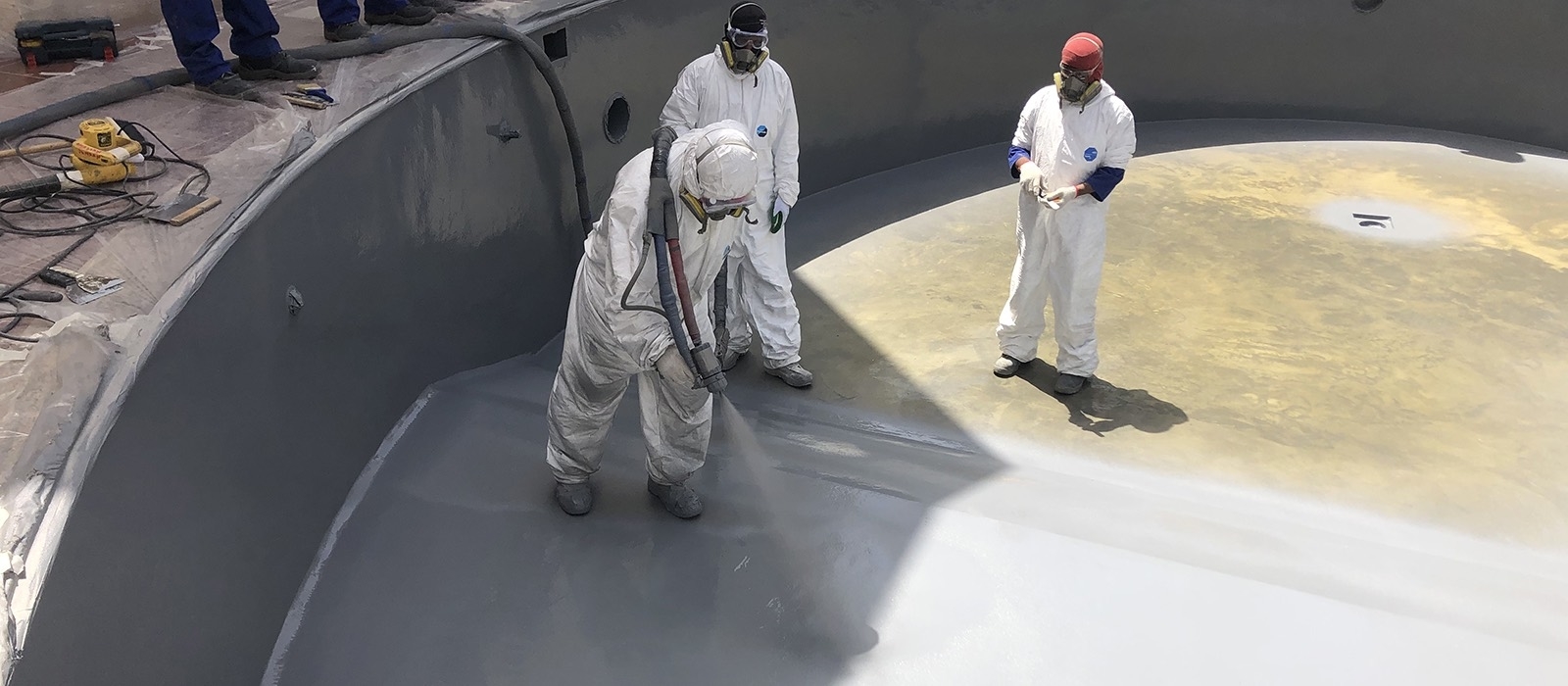
Manholes, vaults, tanks, and tunnels all benefit from polyurea. Once sprayed, it hardens within seconds. This fast cure time keeps crews moving and reduces site closures. Municipal teams working with this material report fewer callbacks and more consistent results on long-term projects, that reliability matters.
Coatings as a Preventive Step
Most infrastructure doesn’t fail all at once. Decay creeps in slowly. It begins with small surface wear. Then it finds a way into the joints. Water makes its path. Gas builds. Cracks spread. If ignored, the structure gives out.
Polyurea allows cities to act before damage worsens. Once applied, it keeps the structure dry and stable. Cities now use it in old systems and new builds alike. That move from reaction to prevention changes how municipalities approach maintenance. Instead of chasing failures, they protect in advance.
The shift toward protection helps lower emergency repair costs. It also lets cities plan work during dry seasons or low-flow periods. That control matters more each year, especially as systems grow older. You can see more on that shift at wastewater coatings, where case studies show polyurea used to hold back moisture and corrosion in real-world systems.
The Role of the Applicator
Polyurea doesn’t work on its own. A trained crew must mix, spray, and finish the job correctly. Surface prep comes first. Every layer depends on a clean, dry base. Grit blasting or pressure washing clears out debris. The applicator checks the conditions, adjusts the machine, and sprays at the right pace and angle.
Mistakes here matter. If the layer goes on too thin, it may wear through. If the base stays damp, the bond will break. This is why training holds so much value. Crews who understand the material get better results. More cities now invest in coatings training to make sure their teams can do the job right the first time.
With the right training, a team can spray miles of surface with confidence. They check for overlap. They seal the edges. They finish corners clean. These simple practices help each job last longer.
When Cities Keep the Work Local
In the past, cities depended on outside contractors to apply coatings. Now, more municipalities manage that work in-house. The reasons are clear. Cities want faster response times. They want quality they can inspect directly. And they want to save money.
Owning the spray rig allows them to do all three. With trained teams and dependable equipment, they coat manholes, culverts, and vaults as needed. They build a schedule and stick to it. This change gives cities more control over their infrastructure. You can read about the rise of in house infrastructure repairs and how that shift helps cities maintain reliability.
The crews who do this work build skill over time. Their knowledge grows with each job. That consistency makes the difference. Instead of depending on change orders and outside schedules, cities lead their own projects.
Results Worth Noticing
Polyurea doesn’t draw attention once sprayed. Its success shows when nothing else breaks. When water stays in place. When concrete holds up. When roads stay open.
These quiet outcomes define the coating’s strength. The proof lies in each job that doesn’t fail. Polyurea magazine shares updates from cities that use these coatings to maintain control over aging systems. The work may not make headlines, but it keeps entire neighborhoods running.
The material works not because it’s new, but because it solves the exact problem. It seals. It protects. It holds.
Looking Toward a Resilient Future
No city can rebuild all at once. Budgets tighten. Conditions shift. Equipment wears. But coatings allow cities to do more with what they already have. They reinforce existing systems. They buy time. They add years to the life of a structure without the cost of replacement.
Polyurea meets the need for speed, strength, and flexibility. When cities train their crews, plan their schedules, and invest in equipment, they reduce risk across their infrastructure. Each sealed vault, lined tunnel, or coated tank means fewer emergencies and more peace of mind.
These outcomes don’t happen by chance. They come through attention, preparation, and follow-through. When cities put polyurea in the hands of people who know how to use it, they protect what they’ve built. That protection becomes the foundation for everything else.
